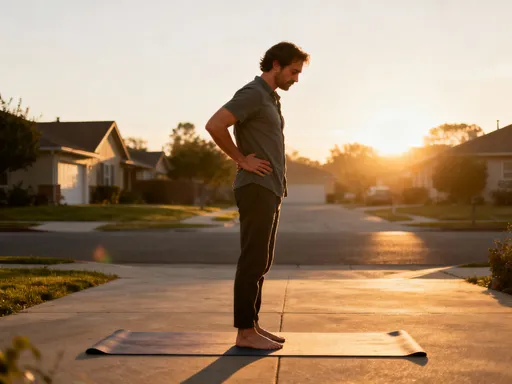
Recovering from injury isn’t just about rest—it’s about paying attention. I learned this the hard way. By tracking my sleep, movement, and pain levels daily, I uncovered patterns that sped up healing. This isn’t guesswork; it’s science. Health monitoring turned my rehab from frustrating to focused, giving me control and clarity. If you're rebuilding strength, this approach might be your game-changer too.
The Breaking Point: When Recovery Felt Impossible
There was a time when I believed that rest alone would heal me. After a minor but persistent injury, I followed the standard advice: avoid strain, apply ice, take breaks. But weeks passed with little improvement. Each morning brought stiffness, and simple tasks like lifting groceries or walking up stairs became reminders of limitation. Frustration grew with every failed attempt to return to normal activity. I felt stuck, watching others move freely while my body lagged behind, as if healing had forgotten me.
The turning point came not from a dramatic event, but from quiet desperation. One evening, after canceling plans due to increased discomfort, I sat down and asked myself: What if I’m not doing enough? Not physically—but mentally? What if recovery isn’t passive, but something I can actively shape? That question led me to explore health monitoring, a concept I’d previously associated only with elite athletes or people with chronic illnesses. Yet, I realized it could be a bridge between my current state and the progress I longed for.
At first, the idea felt overwhelming. How could tracking small details possibly influence healing? But I decided to experiment. I started by writing down three things each night: how I slept, how much I moved, and how my body felt. Within days, I noticed something surprising—my pain wasn’t random. It followed patterns tied to specific behaviors. This realization marked the beginning of a shift: from feeling powerless to becoming an informed participant in my own recovery.
What Is Health Monitoring, Really? (And Why It’s Not Just for Athletes)
Health monitoring, at its core, is the regular observation of key physical and mental signals to understand how your body responds to daily life. It doesn’t require advanced medical training or expensive equipment. Instead, it’s about consistency—recording sleep duration, energy levels, pain intensity, or activity volume over time. When done systematically, this practice creates a personal health timeline, revealing trends that might otherwise go unnoticed.
Scientifically, health monitoring leverages the body’s natural feedback loops. The human body operates on biological rhythms and responses. For example, inflammation markers rise and fall based on stress, sleep, and movement. While most people can’t measure these biomarkers directly, they can observe their effects—such as joint stiffness or fatigue—and use them as indirect signals. This process is rooted in the principles of recovery physiology, which shows that tissue repair is not constant but fluctuates based on internal and external conditions.
A common misconception is that tracking health data is obsessive or only for those with extreme fitness goals. In reality, intentional monitoring is different from fixation. It’s not about perfection, but awareness. Just as checking the weather helps you decide what to wear, tracking your body’s signals helps you make informed choices about rest, activity, and self-care. It transforms vague discomfort into actionable insight, allowing for timely adjustments before minor issues become setbacks.
For someone recovering from injury, this approach shifts the mindset from waiting to heal to actively supporting healing. It encourages engagement with the process rather than detachment. And because it’s personalized, it respects individual differences—what works for one person may not work for another. Health monitoring provides the data needed to tailor recovery to your unique needs, making it a powerful tool for anyone seeking sustainable improvement.
The Core Metrics That Changed My Healing Process
When I began my tracking journey, I focused on three primary metrics: sleep quality, physical activity load, and subjective pain and stiffness levels. These were not chosen at random. Each plays a well-documented role in recovery and rehabilitation. Sleep, for instance, is when the body performs most of its tissue repair and immune regulation. Poor sleep disrupts hormone balance, increases inflammation, and reduces pain tolerance—making it a critical factor in healing.
To track sleep, I started with a simple journal, rating my rest each morning on a scale from 1 to 5 based on how refreshed I felt. Later, I incorporated a wearable device that provided estimates of deep sleep and wake cycles. While not perfectly accurate, the data offered useful trends. I quickly noticed that nights with less than six hours of sleep were consistently followed by higher pain levels the next day. This connection gave me a clear incentive to prioritize bedtime routines and reduce screen exposure before bed.
Physical activity load was the second metric. Initially, I feared movement would worsen my condition, so I avoided it. But tracking showed that complete inactivity wasn’t helping either. On days when I walked for 20 minutes or did gentle stretching, my stiffness decreased. The key was consistency and moderation. I used a step counter and logged my activities daily, not to hit arbitrary goals, but to maintain a steady, manageable level of movement that supported circulation without overloading injured tissues.
The third and most personal metric was pain and stiffness, recorded using a daily scale from 0 to 10. Unlike lab tests, this was subjective—but no less valuable. Research shows that self-reported pain correlates strongly with functional ability and emotional well-being during recovery. By documenting it daily, I could see how it responded to sleep, activity, and even mood. Over time, this helped me distinguish between normal discomfort from healing and warning signs of overexertion. These three metrics—sleep, movement, and pain—formed the foundation of my recovery strategy, offering a balanced view of my body’s state.
Seeing Patterns: From Data to Real-Life Adjustments
One of the most empowering aspects of health monitoring was the ability to see cause-and-effect relationships. At first, my entries were scattered and inconsistent. But after a few weeks of daily logging, I began to notice recurring patterns. For example, two poor nights of sleep were almost always followed by increased pain and reduced mobility the next day. Similarly, pushing through a workout when I was already stiff often led to a setback that lasted several days.
To make these patterns clearer, I started using a basic charting app. I plotted my sleep quality and pain levels side by side, and the correlation became visible. On days when sleep scored below 3, pain averaged 6.5 or higher. On days with good rest, pain dropped to 3 or 4, even with similar activity levels. This wasn’t coincidence—it was evidence. These visual representations transformed abstract feelings into concrete data, making it easier to justify rest when needed and celebrate progress when it came.
This shift allowed me to move from reacting to symptoms to preventing them. Instead of waiting until pain flared up, I learned to recognize early warning signs—like lower energy, slight stiffness, or disrupted sleep—and adjust accordingly. If I saw two consecutive low sleep scores, I would reduce my activity load the next day, add extra stretching, or schedule a restorative practice like gentle yoga or meditation. These small, data-informed decisions prevented many potential setbacks.
Moreover, tracking helped me communicate more effectively with my physical therapist. Instead of saying, “I’ve been feeling worse lately,” I could show a week’s worth of data showing declining sleep and rising pain. This made our sessions more productive, as we could pinpoint triggers and adjust exercises with greater precision. The data didn’t replace professional guidance—it enhanced it, creating a partnership between my lived experience and clinical expertise.
Building a Smarter Rehabilitation Plan with Feedback
With consistent data collection, my rehabilitation plan evolved from a static set of exercises to a dynamic, responsive system. Each week, I reviewed my tracking logs with my therapist to identify what was working and what needed adjustment. We used the information to fine-tune exercise intensity, duration, and type. For instance, if my pain scores were rising despite consistent activity, we explored whether the timing of workouts—such as doing them too late in the day—was affecting recovery.
One significant change was shifting from a fixed routine to a flexible framework. Instead of following the same schedule every day, I adopted a tiered approach: light, moderate, and active recovery days, chosen based on how I felt and what the data showed. On days with good sleep and low pain, I allowed myself to do more. On tougher days, I focused on mobility, breathing exercises, and rest. This flexibility reduced pressure and made the process more sustainable.
Another benefit was the ability to test small changes and observe their effects. For example, I experimented with adding a 10-minute walk after dinner. Over two weeks, I noticed improved sleep quality and reduced evening stiffness. This simple habit, validated by data, became a permanent part of my routine. Similarly, reducing screen time before bed led to faster sleep onset and deeper rest, which in turn supported lower pain levels.
The integration of tracking into my rehab plan also improved accountability. Knowing I had to record my progress each day encouraged consistency. It wasn’t about perfection—missing a day of tracking was okay—but about maintaining awareness. Over time, this practice built discipline and self-trust. I learned to rely on evidence rather than emotion when making health decisions, which reduced anxiety and increased confidence in my recovery journey.
The Bigger Picture: Long-Term Benefits Beyond Injury Recovery
What began as a tool for healing became a lifelong skill. The habits I developed during rehabilitation extended far beyond the initial injury. I became more attuned to my body’s signals, noticing how food, stress, and daily routines influenced my energy and mood. This heightened body awareness is a form of self-regulation—the ability to recognize internal states and respond appropriately.
For example, I now understand my personal thresholds for activity and stress. I know that after three consecutive busy days, I need a recovery day to avoid burnout. I recognize the early signs of tension—tight shoulders, shallow breathing—and address them before they escalate. These skills have improved not only my physical health but also my emotional resilience. By treating my body with consistent attention, I’ve cultivated a deeper sense of well-being.
Health monitoring also changed my relationship with healthcare. I no longer approach medical visits as passive experiences. Instead, I come prepared with observations and questions. This empowers me to participate actively in decisions about my care. It also fosters better communication with providers, as I can describe symptoms with greater clarity and context. Over time, this has led to more personalized and effective support.
Perhaps the most lasting benefit is the sense of agency it provides. In a world where so much feels beyond our control—work demands, family responsibilities, unexpected challenges—having a structured way to care for oneself is profoundly grounding. Health monitoring is not about controlling every variable, but about understanding your body well enough to make informed choices. It’s a form of self-respect, a daily commitment to listening and responding with care.
Staying Grounded: When to Trust Data—and When to Step Back
While health monitoring has been transformative, I’ve also learned the importance of balance. There is a point where tracking can become counterproductive—when the focus shifts from well-being to obsession. I experienced this briefly when I started weighing every decision against my data. If my sleep score was low, I’d cancel plans. If my step count was behind, I’d push myself despite fatigue. This rigid mindset defeated the purpose of tracking, which is to support health, not dictate it.
That’s when I realized the need to combine data with intuition. Numbers provide insight, but they don’t capture everything. How you feel emotionally, your motivation, your life circumstances—these matter too. I began to use data as one input among many, not the sole authority. On days when I felt joyful and energized but my wearable showed poor sleep, I allowed myself to enjoy the moment rather than worry. Healing isn’t just physical; it’s also about quality of life.
Equally important is the role of professional guidance. Data should inform, not replace, medical advice. I continue to consult my physical therapist and primary care provider, sharing my logs for context but relying on their expertise for diagnosis and treatment. This partnership ensures that my tracking efforts are aligned with sound clinical principles. It also protects against misinterpretation—for example, mistaking normal post-exercise soreness for injury.
In the end, health monitoring is a tool—simple, sustainable, and science-supported. It doesn’t promise instant results, but it offers clarity, control, and confidence. For anyone navigating recovery, or simply seeking to understand their body better, it can be a powerful ally. The journey isn’t about perfection. It’s about progress, one tracked day at a time.