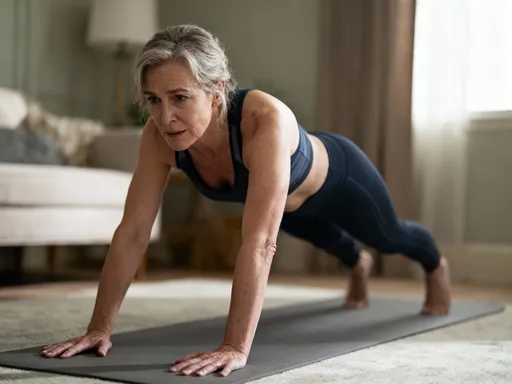
Constipation is more than just inconvenient—it can zap your energy, mood, and confidence. I struggled for years, trying every "quick fix" out there. Nothing worked long-term until I discovered the real game-changer: simple, science-backed movement. No magic pills, no extreme diets—just targeted exercises that actually get things moving. This isn’t a miracle cure, but it’s something that genuinely helped me. Let’s talk about what really works.
The Hidden Struggle: Living With Chronic Constipation
For many women in their 30s, 40s, and beyond, constipation is a quiet, persistent burden. It’s not just about going less frequently—though that’s part of it. It’s the bloating that makes jeans feel tight by noon. It’s the fatigue that no amount of coffee can shake. It’s the low-grade discomfort that dulls your day and steals your spark. And yet, so many suffer in silence, brushing it off as “just part of aging” or “something I should be able to handle.” The truth is, chronic constipation is not normal, and it’s not something you have to accept.
There’s a common belief that constipation is solely about fiber and water. While both are important, they’re not the whole story. I drank plenty of water. I ate oats, beans, and leafy greens. Still, I felt backed up. I tried supplements, probiotics, and even colon cleanses—all with mixed results. What I didn’t realize was that my body wasn’t just lacking nutrients; it was lacking motion. My lifestyle had become increasingly sedentary, and my digestive system was paying the price. The turning point came when a nurse practitioner gently asked, “How much do you move in a day?” That simple question shifted everything.
Many women delay seeking help because they feel embarrassed or assume it’s trivial. But digestive health is deeply connected to overall well-being. When your gut isn’t moving, neither are you—emotionally, physically, mentally. The frustration builds. You start to feel disconnected from your body. You may even avoid social events, fearing discomfort or unpredictability. Recognizing that this struggle is both common and treatable was the first step toward reclaiming control. And one of the most powerful tools wasn’t found in a bottle—it was already within me: movement.
Why Your Gut Needs Motion: The Science Behind Digestion and Movement
Digestion is not a passive process. It’s an active, coordinated system that relies on muscular contractions to push food through the intestines. This process, known as peristalsis, is driven by smooth muscle waves that move waste toward elimination. When these contractions slow down, transit time increases, leading to harder stools and bloating. While diet and hydration influence this process, physical activity plays a crucial role in keeping things moving.
Research shows that regular movement stimulates the enteric nervous system—the “brain of the gut”—which communicates directly with the central nervous system. This gut-brain axis helps regulate digestion, and physical activity enhances this communication. A study published in the Scandinavian Journal of Gastroenterology found that individuals with sedentary lifestyles had significantly longer colonic transit times than those who were moderately active. Even light activity, such as walking, was associated with improved bowel regularity.
Movement also affects the vagus nerve, a key component of the parasympathetic nervous system responsible for “rest and digest” functions. When you engage in gentle, rhythmic exercise, you activate this nerve, which in turn promotes relaxation and supports digestive motility. In contrast, chronic stress and inactivity can suppress vagal tone, leading to sluggish digestion. This is why sitting for long hours—common in modern life—can quietly sabotage your gut health.
It’s important to understand that digestion isn’t isolated. It’s influenced by your body’s overall state. When you move, you improve blood flow, reduce inflammation, and support nervous system balance—all of which contribute to healthier bowel function. Movement isn’t just about fitness; it’s a form of internal maintenance. For women managing busy households, careers, or caregiving responsibilities, this can be a game-changer. You don’t need to run marathons. You just need to keep your body gently engaged.
Not All Exercise Is Equal: What Actually Helps Constipation
When we think of exercise, we often picture intense workouts—spinning classes, HIIT sessions, or heavy weightlifting. While these have benefits, they’re not always the best choice for improving digestion. In fact, for someone struggling with constipation, high-intensity exercise can sometimes make things worse by increasing stress hormones like cortisol, which may slow gut motility. The key is not intensity, but consistency and type of movement.
Gentle, rhythmic activities are most effective for supporting digestion. These include walking, tai chi, yoga, and even light stretching. What they have in common is a focus on flow and breath, which helps activate the parasympathetic nervous system. This “rest and digest” state is where optimal bowel function occurs. In contrast, high-stress, high-exertion workouts can push the body into “fight or flight” mode, which may temporarily shut down non-essential processes like digestion.
One of the most impactful types of movement for constipation is low-impact aerobic activity. Walking, for example, uses the body’s natural rhythm to gently massage the internal organs, including the intestines. The motion of swinging arms and legs creates a subtle internal compression that encourages peristalsis. Similarly, certain yoga poses—like seated twists or forward folds—can apply gentle pressure to the abdomen, stimulating bowel activity.
Another important factor is the vagus nerve stimulation that comes from diaphragmatic breathing and rhythmic movement. Activities that involve coordinated breath and motion—such as walking while breathing deeply or practicing slow, mindful movements—enhance vagal tone, which supports digestive health. The goal isn’t to sweat or push your limits. It’s to create a daily rhythm of gentle motion that signals to your body that it’s safe to digest and eliminate.
My Go-To Routine: 5 Simple Exercises That Made a Difference
After years of trial and error, I developed a short, daily routine that made a real difference. These five exercises take less than 15 minutes total and can be done at home, no equipment needed. I didn’t see results overnight, but within two weeks, I noticed less bloating, more regularity, and increased energy. Here’s what worked for me.
The first is gentle abdominal twists. Lying on your back with knees bent, slowly lower both knees to one side while keeping your shoulders grounded. Hold for 15–20 seconds, then switch sides. This motion massages the colon and encourages movement through the digestive tract. I do this in the morning, right after waking, when my body is still relaxed. It’s a gentle way to “wake up” the gut.
Next are seated knee lifts. Sitting on a sturdy chair, lift one knee at a time toward your chest, holding briefly before lowering. Repeat 10–15 times per side. This movement engages the core muscles and creates internal motion that can help stimulate bowel activity. I often do this after lunch, especially if I’ve eaten a heavy meal. It’s discreet enough to do at work or while watching TV.
Walking after meals became a non-negotiable habit. Just 10–15 minutes of slow walking after breakfast or dinner made a noticeable difference. The key is to walk at a comfortable pace—no need to rush. I found that even a short stroll around the block helped prevent that post-meal sluggishness. Over time, this small habit improved my overall transit time.
Diaphragmatic breathing is another powerful tool. Sitting or lying down, I place one hand on my chest and one on my belly, inhaling deeply through the nose so the belly rises, then exhaling slowly through the mouth. I do this for 5 minutes daily, often before bed. This type of breathing activates the vagus nerve and signals the body to relax, which supports digestion.
Finally, pelvic floor rocking helps release tension in the lower abdomen. On all fours, I gently rock my pelvis forward and backward, creating a subtle wave-like motion. This movement encourages blood flow to the pelvic region and can help relax the muscles involved in elimination. I do this for 1–2 minutes at a time, especially if I’m feeling backed up.
Consistency was crucial. I didn’t do all five every day at first. I started with walking and breathing, then added the others gradually. The point isn’t perfection—it’s showing up for your body, day after day.
When and How to Move: Timing, Frequency, and Realistic Expectations
Timing matters when it comes to movement and digestion. The best time to walk or do gentle exercises is 20–30 minutes after a meal, when the digestive process is already underway. This post-meal window is when your body is primed to benefit from light activity. I’ve found that a short walk after dinner not only aids digestion but also helps me unwind from the day.
Frequency is more important than intensity. Daily movement, even if brief, is far more effective than occasional intense workouts. I aim for at least 10–15 minutes of gut-friendly activity every day. Some days it’s just stretching; others, it’s a longer walk. The goal is to create a rhythm that your body can rely on. Regularity signals to your digestive system that movement is part of your routine, which helps regulate bowel function over time.
It’s important to set realistic expectations. You won’t wake up one morning completely symptom-free. Improvement is gradual. For me, it took about three weeks to notice consistent changes. At first, it was just less bloating. Then, more regular bathroom visits. Eventually, I no longer dreaded certain foods or felt sluggish after meals. This isn’t about instant transformation—it’s about sustainable progress.
Combining movement with other healthy habits enhances results. Staying hydrated, eating fiber-rich foods, and managing stress all play a role. But movement is the catalyst. It’s the missing link for many women who already eat well but still struggle. Think of it as internal maintenance—a daily tune-up for your digestive system. And the best part? It’s free, accessible, and completely within your control.
Beyond the Workout: Lifestyle Tweaks That Support Gut Motility
Exercise is powerful, but it’s just one piece of the puzzle. Other lifestyle factors can significantly impact gut motility. One of the most surprising changes I made was adjusting my toilet posture. Using a small footstool to elevate my feet while sitting created a more natural squatting position, which aligns the rectum and makes elimination easier. This simple change reduced straining and improved efficiency.
Stress reduction is another critical factor. Chronic stress disrupts digestion by activating the sympathetic nervous system. I started incorporating mindful breathing into my routine—not just during exercise, but throughout the day. Taking a few deep breaths before meals helped signal my body to prepare for digestion. Establishing a consistent daily routine—waking, eating, and moving at similar times—also helped regulate my internal clock.
Sleep quality plays a role too. Poor sleep can disrupt circadian rhythms, which influence gut motility. I prioritized getting 7–8 hours of restful sleep and noticed that my digestion improved on well-rested days. Creating a calming bedtime routine—dimming lights, avoiding screens, and practicing gentle stretching—helped me wind down and support overall gut health.
Hydration remains essential. I made it a habit to drink a glass of warm water first thing in the morning, sometimes with a slice of lemon. This gentle stimulus helped kickstart my digestive system. I also limited caffeine and alcohol, which can dehydrate and irritate the gut. Small, consistent choices—like carrying a water bottle or setting hydration reminders—made a difference over time.
Together, these habits created a supportive environment for my digestive system. Movement was the foundation, but these tweaks amplified its effects. It’s not about perfection—it’s about creating a lifestyle that honors your body’s natural rhythms.
When to Seek Help: Knowing the Limits of Self-Care
While lifestyle changes can make a significant difference, it’s important to recognize when to seek professional help. Persistent abdominal pain, blood in the stool, unexplained weight loss, or sudden changes in bowel habits are red flags that should not be ignored. These symptoms may indicate underlying conditions such as irritable bowel syndrome (IBS), inflammatory bowel disease (IBD), or other medical issues that require evaluation.
Movement and diet are powerful tools, but they are not substitutes for medical care. If you’ve made consistent lifestyle changes and still experience chronic constipation, it’s time to consult a healthcare provider. They can perform tests, review your medical history, and offer tailored recommendations. For some women, hormonal changes, medications, or other health conditions may be contributing factors that need professional attention.
I waited too long to seek help, assuming I could fix everything on my own. When I finally saw a specialist, I learned that I had mild pelvic floor dysfunction, which was contributing to my symptoms. With guidance, I adjusted my exercises and incorporated physical therapy techniques. That knowledge made all the difference.
There’s no shame in asking for help. In fact, it’s one of the bravest and most self-compassionate things you can do. Your health matters. You deserve to feel your best. Professional guidance isn’t a failure of self-care—it’s an extension of it. By combining personal effort with expert support, you create the strongest possible foundation for lasting relief.
Improving digestion isn’t about drastic overhauls—it’s about consistent, gentle choices that honor your body’s natural rhythms. The right movements, done regularly, can make a noticeable difference. But more than that, this journey taught me to listen to my body. Small steps add up. If you're struggling, know you’re not alone—and real relief might be closer than you think.