What if your weekend passion could do more than just clear your mind—what if it could grow your wealth? I didn’t think mine could, until I started seeing my hobby not just as an escape, but as a rhythm for smarter investing. It’s not about getting rich overnight; it’s about aligning your interests with long-term financial habits. This is how I found balance, minimized risks, and made my money move with purpose—all through the unexpected power of passion-driven investing. The journey began not with a spreadsheet or stock tip, but with a quiet realization: every dollar I spent on what I loved didn’t have to vanish into thin air. It could serve a dual purpose—joy today, value tomorrow. That subtle shift changed everything.
The Moment I Saw My Hobby Differently
For years, my weekends revolved around the same comforting ritual: browsing local markets for vintage cameras. I wasn’t a professional photographer, nor did I plan to sell them. These purchases were purely for pleasure—something tactile, nostalgic, and far removed from my digital-heavy workweek. Yet, over time, I began to notice patterns in my spending that I had previously ignored. The Leica I bought for $400 five years ago recently sold online for over $900. A Polaroid film camera I almost passed up because it seemed overpriced at $120 now lists for nearly double. These weren’t isolated cases. They were signals that what I considered leisure spending might actually carry hidden financial potential.
This awareness didn’t spark excitement at first—it sparked discomfort. If I had been tracking these purchases, could I have made better decisions? Could I have avoided the dud purchases, the impulse buys that gathered dust? More importantly, could I have turned my passion into a tool for long-term financial growth? The answer wasn’t found in high-risk trading or cryptocurrency speculation, but in a much simpler idea: treat my hobby not as a cost center, but as a learning lab for financial discipline. The cameras weren’t just objects; they were data points. Each one represented a decision, a research effort, a market signal. I began to see my hobby as a sandbox where I could practice investment principles without risking retirement funds.
That shift—from passive consumer to mindful participant—was transformative. I stopped asking only Do I like this? and started adding two more questions: Does this hold or build value? and What can I learn from owning it? This wasn’t about turning every purchase into a profit play. It was about cultivating a mindset where spending aligned with strategy. Over time, this approach reduced wasteful expenses, improved my ability to spot trends, and quietly built a secondary stream of value—both monetary and educational. The hobby hadn’t changed. My relationship with it had.
What “Investment Rhythm” Really Means (And Why It Matters)
When most people hear the word investment, they think of stocks, real estate, or retirement accounts. Rarely does it include camera lenses, coffee grinders, or handcrafted pottery. But the core principle of investing—allocating resources today for greater return tomorrow—applies far beyond Wall Street. What I discovered was not a get-rich-quick scheme, but something more sustainable: an investment rhythm. This isn’t about timing the market or predicting trends. It’s about creating a consistent, repeatable cycle of engagement—research, invest, use, learn, refine—that builds financial wisdom over time.
My rhythm began with research. Before any purchase, I spent time understanding the item’s history, its demand cycle, and its community of users. For vintage cameras, that meant joining online forums, reading auction results, and tracking resale values on secondhand marketplaces. This phase wasn’t optional—it was foundational. Without it, I was just guessing. Once informed, I would make a small, calculated entry: perhaps a mid-tier model from a reputable brand. After using it, I’d assess its performance, durability, and resale appeal. This feedback loop allowed me to refine future decisions, avoiding overpriced novelties and focusing on items with proven staying power.
The power of this rhythm lies in its predictability. Instead of reacting to fleeting trends or emotional urges, I followed a structured process. Each step reinforced discipline. Each cycle built knowledge. Over time, this knowledge compounded—just like interest in a savings account. I began to recognize warning signs: items hyped by influencers but lacking long-term demand, or limited editions with no real utility. I also identified quiet winners—tools that improved with age, brands with loyal followings, and niche markets with steady growth. This rhythm didn’t guarantee profits, but it drastically reduced losses and increased confidence in my choices.
Moreover, this method helped me distinguish between consumption and investment. A new espresso machine for home use might bring joy, but unless it’s a rare, collectible model, it will likely depreciate. However, investing in artisanal coffee knowledge—learning bean origins, roasting techniques, brewing methods—adds lasting value. That knowledge doesn’t depreciate; it appreciates. It can lead to better purchasing decisions, side income opportunities, or even a small home-based business. The rhythm transformed my hobby from a one-way expense into a two-way exchange: I gained enjoyment, and I gained insight.
From Passion Spending to Strategic Allocation
One of the biggest financial traps in hobby-based spending is the illusion of frugality. You tell yourself you’re being smart because you waited a week before buying, or because you found a ‘deal’ on a secondhand site. But if the purchase lacks long-term value, it’s still a loss in opportunity cost. I fell into this trap many times—justifying a $500 lens because it was ‘only’ $100 over budget, or buying a rare coffee roaster because it was ‘limited edition.’ These weren’t investments; they were emotionally driven expenses disguised as passion.
The shift came when I started treating my hobby budget like an actual investment portfolio. I set a yearly allocation—say, $1,200—and broke it into phases: 20% for research tools (books, courses, memberships), 50% for core purchases (items with proven value), and 30% for experimental buys (new brands, unproven markets). This structure forced me to prioritize. Instead of spending impulsively, I planned entries. I waited for the right moment, often buying used or during off-season dips in demand. This phased approach not only lowered risk but also improved returns. By avoiding peak prices and emotional urgency, I consistently acquired higher-value items at lower costs.
Another key strategy was focusing on depreciation-resistant items. In most consumer markets, value drops the moment you leave the store. But certain niches—vintage gear, artisan tools, heritage brands—defy this trend. These items often appreciate due to scarcity, craftsmanship, or cultural revival. I began tracking which categories held or increased value over time. For example, mechanical film cameras from the 1970s and 80s have seen steady demand, while digital point-and-shoots from the same era are nearly worthless. Similarly, handcrafted coffee equipment from small-batch makers often retains value better than mass-produced alternatives. By aligning my spending with these patterns, I turned what was once pure expense into a form of low-volatility asset accumulation.
This strategic allocation didn’t kill the joy of the hobby—it enhanced it. Knowing that my purchases had purpose beyond immediate gratification made them more meaningful. I wasn’t just buying a camera; I was investing in a piece of history, a tool with enduring appeal. I wasn’t just upgrading my kitchen; I was curating a collection of functional art. The emotional reward deepened because it was paired with financial prudence. Passion didn’t vanish; it matured.
Risk Control: When Love Meets Logic
Passion can be a powerful motivator, but it can also be a dangerous blind spot. When you love what you’re investing in, it’s easy to ignore red flags, overestimate value, or justify overspending. I learned this the hard way when I paid $750 for a supposedly ‘rare’ camera that turned out to be a common model with a minor modification. I had let excitement override judgment. The item didn’t appreciate—it depreciated. Worse, I held onto it too long, hoping the market would turn, only to sell it a year later at a 40% loss. That experience was painful, but it was also instructive.
From that mistake, I built a set of personal risk controls—simple rules designed to keep emotion in check. First, I implemented a maximum spend limit for any single item, tied to a percentage of my annual hobby budget. This prevented any one purchase from dominating my allocation. Second, I introduced a mandatory cooling-off period of at least 72 hours before finalizing any high-value buy. During that time, I revisited research, checked recent sale prices, and consulted trusted community members. This pause often revealed flaws in my initial enthusiasm. Third, I established exit strategies before buying. For every item, I asked: If I need to sell this in six months, where would I list it? What’s a realistic price? Having a plan reduced panic selling and improved decision-making.
Another critical rule was diversification. Just as financial advisors warn against putting all your money in one stock, I avoided concentrating my hobby investments in a single brand, era, or category. I spread purchases across different types of vintage cameras—rangefinders, SLRs, compact models—and different price tiers. This reduced exposure to market shifts. When demand for one type dipped, others might hold steady or rise. Similarly, in the coffee world, I diversified across brewing methods—pour-over, espresso, cold brew—so my knowledge and tools remained relevant even if one trend faded.
These guardrails didn’t eliminate risk, but they made it manageable. They transformed my hobby from a financial liability into a structured practice of disciplined decision-making. Passion fueled my curiosity, but logic ensured sustainability. Over time, this balance made me more confident not just in my hobby choices, but in all areas of personal finance. I began applying the same principles to household spending, gift purchases, and even retirement planning—asking not just Do I want this? but What value does this create over time?
Practical Moves That Actually Work
Theory is useful, but real change happens in practice. What truly transformed my approach were simple, repeatable habits—no complex algorithms or insider knowledge required. The first was tracking every purchase in a basic spreadsheet. I logged the item, price, date, condition, and source. Every six months, I reviewed the list, noting which items had gained value, which had lost it, and why. This data revealed patterns I couldn’t see in the moment. For example, I discovered that cameras from Japanese manufacturers in the 1980s held value better than European models from the same era, likely due to higher production quality and broader user appeal.
Another game-changer was joining niche online communities. These weren’t general forums, but tightly focused groups—vintage camera collectors, artisan coffee enthusiasts, handmade tool makers. In these spaces, members shared real-time market signals: which items were gaining traction, which brands were releasing new limited editions, which older models were being rediscovered. This wasn’t hype; it was collective intelligence. By participating respectfully—asking questions, sharing findings, avoiding sales pitches—I gained early insights that helped me time purchases and sales more effectively.
One of the most impactful practices was treating my collection like a mini portfolio. I assigned each item a category, tracked its condition, and estimated its current market value. I set goals—like achieving a 10% annual return on the collection’s total value—not as a guarantee, but as a benchmark for performance. When an item underperformed, I analyzed why. Was it poor timing? Overestimation of demand? Lack of maintenance? These reviews improved my judgment over time. I also began reinvesting profits from resales into higher-potential items, creating a self-sustaining cycle of growth.
Another practical step was reselling used items after a period of use. Instead of letting gear sit idle, I sold it when demand was high or when I upgraded. This recovered a significant portion of my initial cost—sometimes 70% or more—effectively turning the hobby into a low-cost learning experience. For example, I bought a high-end coffee grinder, used it for six months to master grind consistency, then sold it at a small loss. The knowledge I gained, however, was priceless—and it prevented me from making costlier mistakes later. This practice turned consumption into a form of experiential investment.
The Real Payoff: More Than Money
If I were to measure success only by financial returns, the story might seem modest. Yes, some items appreciated—my Leica, a rare coffee press, a limited-run film scanner. But the real return wasn’t in dollars. It was in financial awareness. By aligning my spending with my passions, I became more intentional about money. I stopped seeing purchases as isolated events and started viewing them as part of a larger financial ecosystem. This shift reduced impulse buying across all areas of life—not just hobbies. I began questioning every expense: Will this add value over time? Can I learn from it? Does it align with my long-term goals?
The ripple effects were profound. I saved more, wasted less, and developed a sharper eye for quality and value. I became more patient, understanding that true growth—whether in knowledge or wealth—takes time. I also gained resilience. When market conditions shifted or a purchase didn’t pan out, I didn’t panic. I analyzed, adjusted, and moved forward. These instincts spilled over into my main investments, where I now apply the same principles of research, diversification, and disciplined entry and exit.
Perhaps most importantly, I found greater satisfaction in ownership. Knowing that my possessions had purpose—beyond decoration or temporary pleasure—made them more meaningful. My vintage cameras weren’t just tools; they were teachers. My coffee gear wasn’t just equipment; it was a gateway to deeper understanding. This sense of alignment brought a quiet confidence that no stock portfolio could provide. I wasn’t chasing wealth. I was building wisdom. And that, I’ve learned, is the most reliable form of long-term return.
Building Your Own Rhythm: A Realistic Path Forward
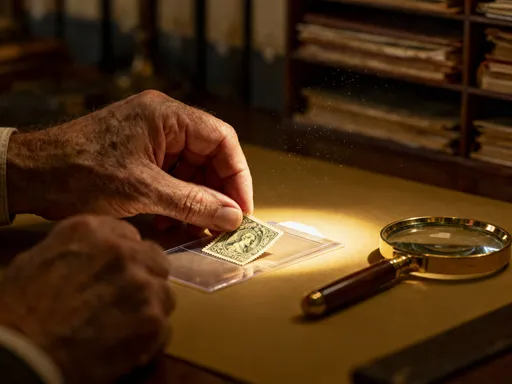
You don’t need a rare coin collection or a six-figure art budget to start. The principles I’ve shared work with any hobby—gardening, baking, woodworking, cycling, even knitting. The key is not the hobby itself, but the mindset you bring to it. Begin small. Pick one interest you already enjoy. Track every dollar you spend on it for three months. Then ask: Which purchases brought lasting value? Which disappeared without a trace? This simple exercise will reveal patterns you’ve likely overlooked.
Next, introduce structure. Set a modest annual budget. Divide it into research, core items, and experiments. Create your own rules—cooling-off periods, spend limits, exit plans. Start a simple log. Join a community. These habits don’t require expertise. They require consistency. Over time, your personal investment rhythm will emerge—not from grand strategies, but from daily choices.
Remember, this isn’t about turning your life into a profit center. It’s about making your money work smarter, even in the spaces meant for joy. When passion dances with patience, when curiosity meets caution, your financial habits transform. You don’t need to be a trader to think like an investor. You just need to care about something deeply—and let that care guide your choices. The money may follow. But the wisdom? That’s guaranteed.